POURING THE PERFECT FLAT WHITE
THE DIFFERENCE BETWEEN A LATTE AND A FLAT WHITE
THE DIFFERENCE BETWEEN A LATTE AND A FLAT WHITE
If you've ever walked into a café and wondered whether you should order a latte or a flat white, you're not alone. Both drinks are espresso-based with milk, both look similar in a cup, and both are crowd favorites worldwide. But if you've ever tasted a real flat white, especially the kind we serve here at Chapel Street Café in Chicago, you'll know they are not the same thing at all.
In this guide, we'll break down the differences, where each drink comes from, and why Chicago coffee lovers finally have access to the real deal when it comes to flat whites.
WHAT IS A LATTE?
The latte, short for caffè latte in Italian, meaning "milk coffee", is a café classic. Traditionally, it's made with:
- One to two shots of espresso
- Steamed milk (a good amount, making it creamy and smooth)
- A thick layer of foam on top (usually around 1/2 an inch)
The latte is milk-forward. It's a larger drink (think 12–16 oz in the U.S.), with espresso as the base but the milk and foam softening the coffee's edge. It's approachable, smooth, and often the go-to for people who want a gentler espresso drink.
WHAT IS A FLAT WHITE?
The flat white has its roots in Australia and New Zealand and has become a defining drink of the Aussie café culture. Here's the formula:
- Double ristretto shots (more concentrated than standard espresso)
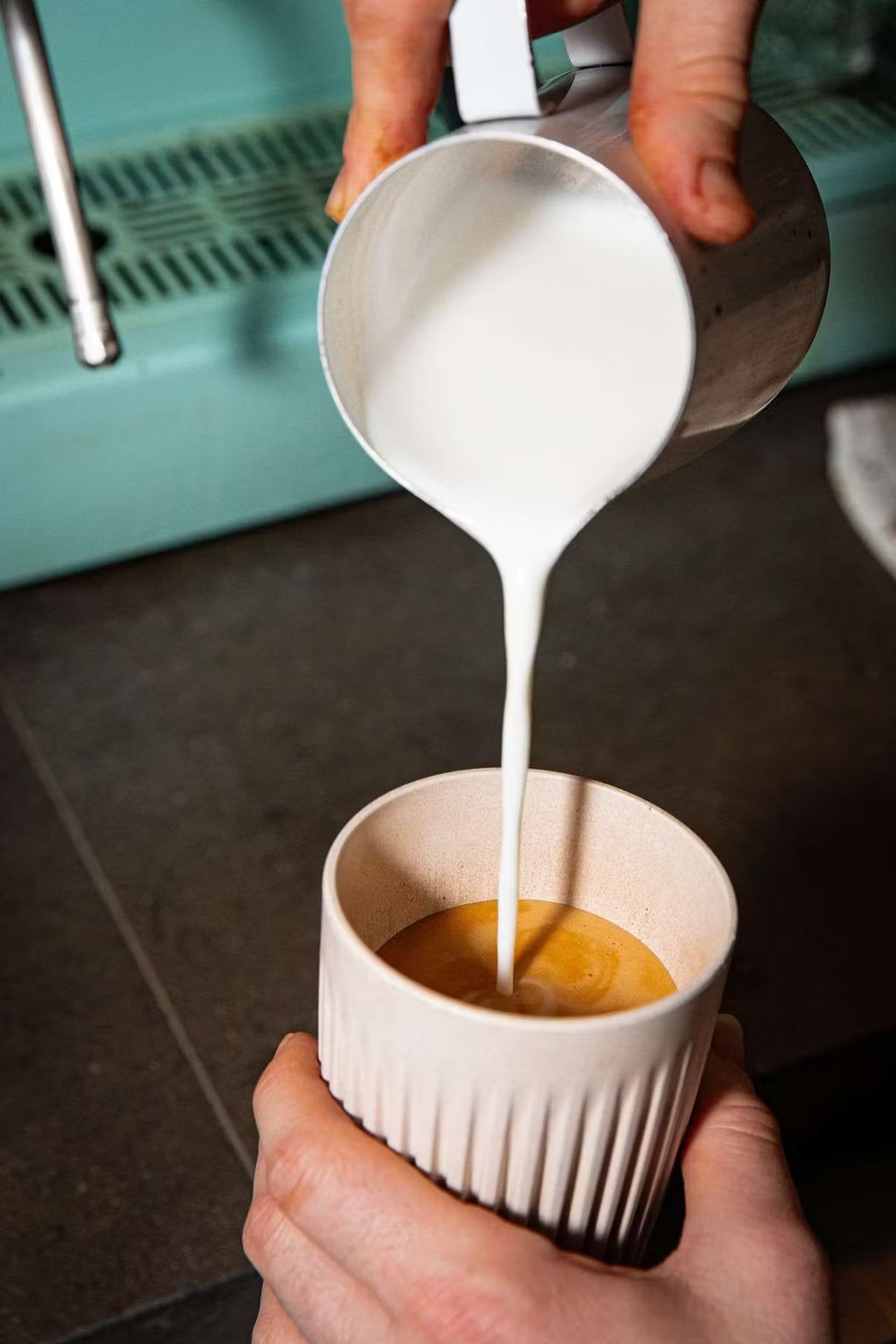
- Velvety steamed milk (microfoam so fine it feels silky)
- No thick foam cap, just a thin, glossy layer of milk
A flat white is typically served in a smaller cup, around 8 oz. The emphasis is on balance: strong espresso flavor cut with just enough milk to create harmony, without overwhelming the coffee. Think bold, smooth, and creamy without being heavy.
LATTE VS. FLAT WHITE: KEY DIFFERENCES
Latte vs. Flat White: Key Differences
Here's the short version for when you're standing at the counter trying to decide:
- Size: Lattes are bigger (12–16 oz); flat whites are smaller (8 oz).
- Coffee Strength: Lattes taste milkier; flat whites taste stronger because of the smaller milk-to-coffee ratio.
- Foam Texture: Lattes have thicker foam; flat whites have silky microfoam.
- Origin: Lattes are Italian; flat whites are proudly Australian (and New Zealanders will argue their case, too).
WHY FLAT WHITES ARE RARE IN THE U.S.
Walk into most coffee shops in the U.S., ask for a flat white, and you might just get a small latte. Many baristas here aren't trained in the Aussie method of pulling ristretto shots or steaming milk to that super-fine texture.
That's where Chapel Street Cafe in Chicago stands apart. We don't just say we serve flat whites, we actually do it properly. Our team was trained in the authentic style, using Australian café standards. If you're in Chicago and craving the kind of flat white you'd find in Melbourne or Sydney, we have it.
WHICH ONE SHOULD YOU ORDER?
- Pick a latte if: you want something big, smooth, and creamy to sip slowly.
- Pick a flat white if: you want the bold flavor of espresso with just the right amount of velvety milk.
If you're in Chicago, come by Chapel Street Café and taste the difference for yourself. Trust us, once you've had a real flat white, you'll understand why it's an Australian café staple.
FINAL SIP
So, latte vs. flat white? The difference lies in the size, strength, and milk texture. Both are delicious in their own right, but only one gives you that silky punch of espresso wrapped in velvet milk: the flat white.
And yes, you can finally find the authentic version here in Chicago at Chapel Street Café.